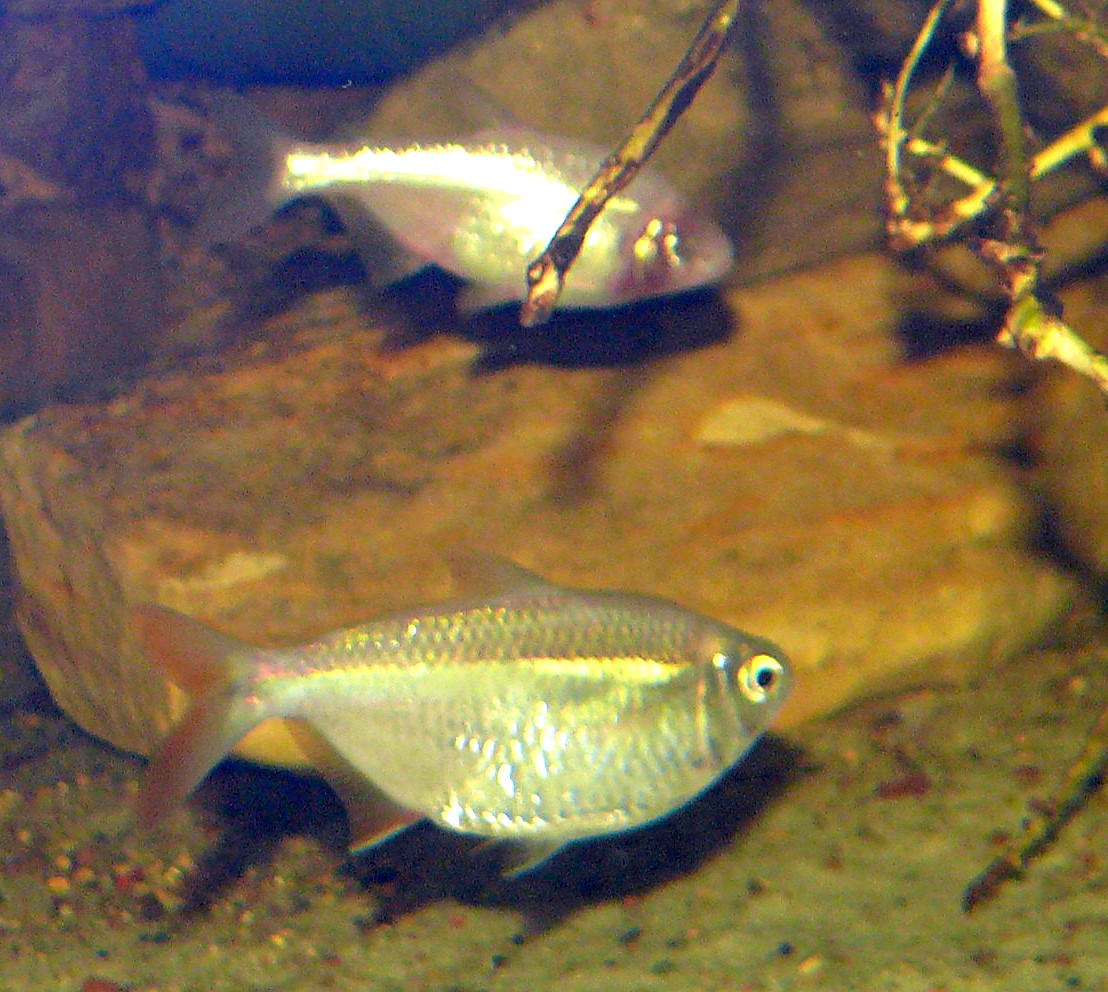
In the classic view of evolution, organisms undergo random genetic mutations, and nature selects for the most beneficial ones. A recent study in Science adds a twist to that theory: variability already present in a population’s genome may remain hidden in times of plenty but come unmasked in stressful situations, ready to help with adaptation.
HSP90 binds to other proteins to keep them properly folded, but under stress may allow for more variations.
Amazing, how it all “just happens”.
Abstract In the process of morphological evolution, the extent to which cryptic, preexisting variation provides a substrate for natural selection has been controversial. We provide evidence that heat shock protein 90 (HSP90) phenotypically masks standing eye-size variation in surface populations of the cavefish Astyanax mexicanus. This variation is exposed by HSP90 inhibition and can be selected for, ultimately yielding a reduced-eye phenotype even in the presence of full HSP90 activity. Raising surface fish under conditions found in caves taxes the HSP90 system, unmasking the same phenotypic variation as does direct inhibition of HSP90. These results suggest that cryptic variation played a role in the evolution of eye loss in cavefish and provide the first evidence for HSP90 as a capacitor for morphological evolution in a natural setting. –
See also: Cavefish Study Supports Controversial Evolutionary Mechanism
 Follow UD News at Twitter!