The two theories to be tested pit “information processing” against “causal power” as a model of consciousness. One side must admit it is wrong:
Consciousness, even as a concept, is much more slippery than gravity but these two prominent theories have been chosen as at least suitable for testing, starting this fall:
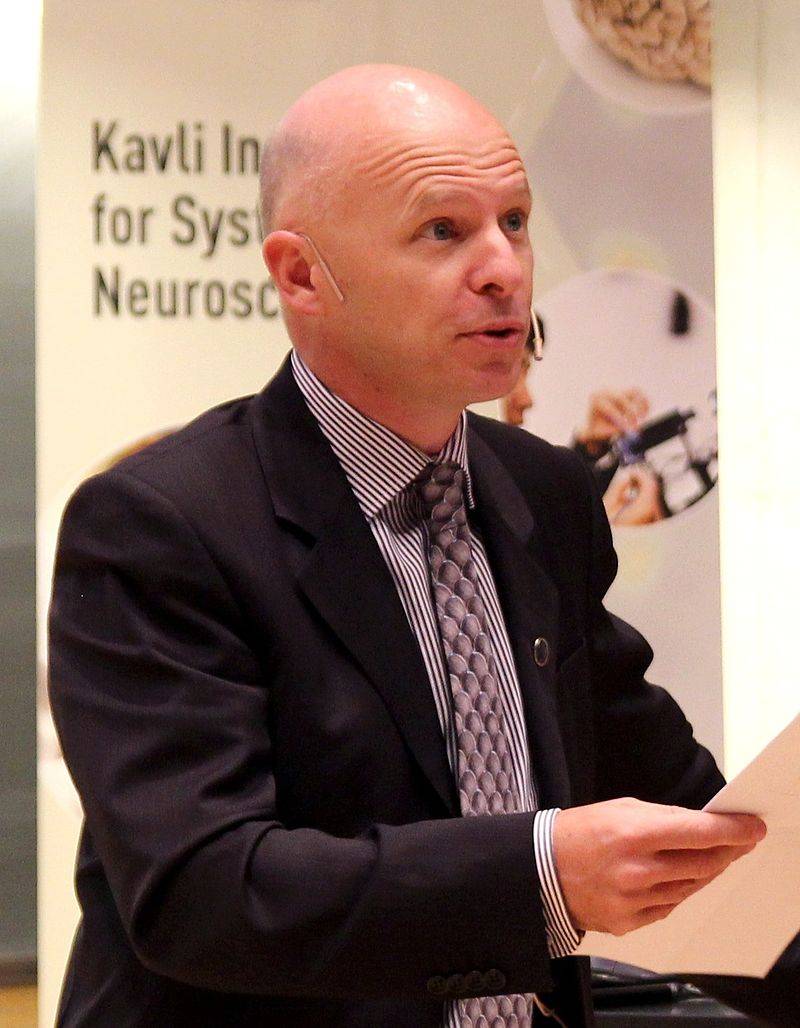
● Global Workspace Theory (GWT), defended by Stanislas Dehaene of the Collège de France in Paris: “theory of Bernard Joseph Baars that suggests that consciousness involves the global distribution of focal information to many parts of the brain.” – Pam N., “Global Workspace Theory,” Psychology Dictionary
vs.
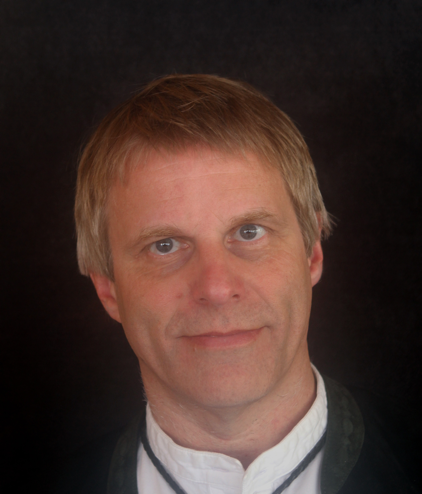
● Integrated Information Theory (IIT), defended by Giulio Tononi of the University of Wisconsin in Madison: “Initially proposed by Giulio Tononi in 2004, it claims that consciousness is identical to a certain kind of information, the realization of which requires physical, not merely functional, integration, and which can be measured mathematically according to the phi metric.” – Francis Fallon, Integrated Information Theory of Consciousness, Internet Encyclopedia of Philosophy
The two theories can be compared because they make different predictions as to which part of the brain will become active when a person becomes aware of an image.
“Quest for consciousness: A historic quest is announced” at Mind Matters News
We are sure that, in reality, anyone really attached to the losing theory will find wiggle room. But never mind. The point is, there is something to test.
This sure beats: Consciousness is an evolved illusion; your coffee mug is conscious; consciousness is a material thing; electrons are conscious No wonder consciousness studies have been described in Chronicle of Higher Education as “bizarre.” Maybe not so much now.
Key concepts in a non-materialist approach to consciousness
An Oxford neuroscientist explains
mind vs. brain (Michael Egnor) Sharon Dirckx explains the fallacies of materialism and the logical and scientific strengths of dualism
Did consciousness “evolve”? (Michael Egnor) One neuroscientist doesn’t seem to understand the problems the idea raises
Four researchers whose work sheds light on the reality of the mind The brain can be cut in half, but the intellect and will cannot, says Michael Egnor. The intellect and will are metaphysically simple
and
No materialist theory of consciousness is plausible (Eric Holloway) All such theories either deny the very thing they are trying to explain, result in absurd scenarios, or end up requiring an immaterial intervention
Follow UD News at Twitter!