Uncommon Descent Serving The Intelligent Design Community

The Frontline Doctors put some “plausible” mechanisms for Hydroxychloroquine on the table

Categories
Academic Freedom
Cell biology
Medicine
rhetoric
Share
Facebook
Twitter/X
LinkedIn
Flipboard
Print
Email

In their July 28 seminar, the Frontline Doctors Group led by Dr Simone Gold, have put some plausible mechanisms for HCQ based cocktails on the table. These were noted on in an augmentation to an earlier post, but deserve headlining in their own right:

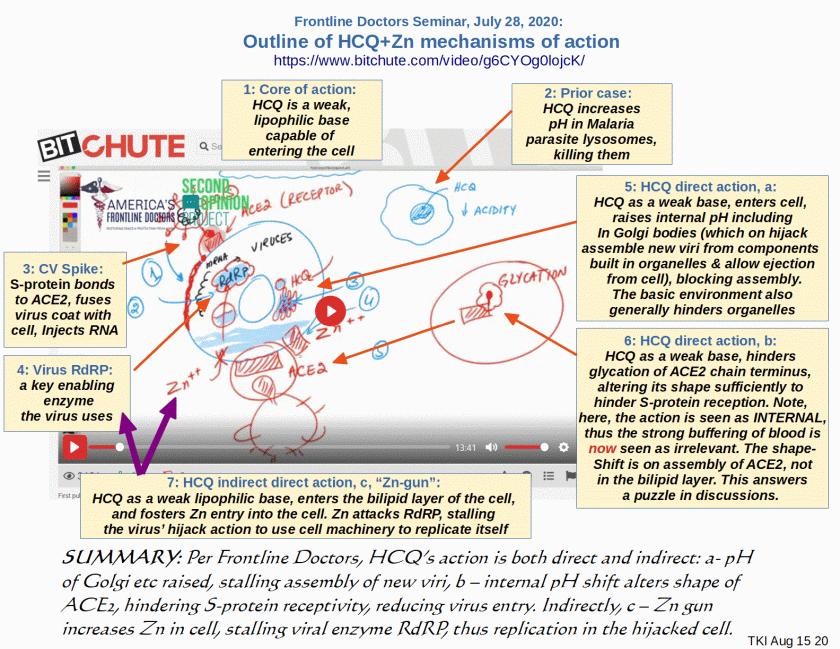
Dr Frieden OP: >>I have found at Bit Chute, a July 28 Frontline Doctors seminar which describes several mechanisms of action. Accordingly, I take liberty to annotate a screenshot, summarising several mechanisms of action described by these Doctors [cf. here for their references], but which are hard to find because of now almost pervasive censorship:
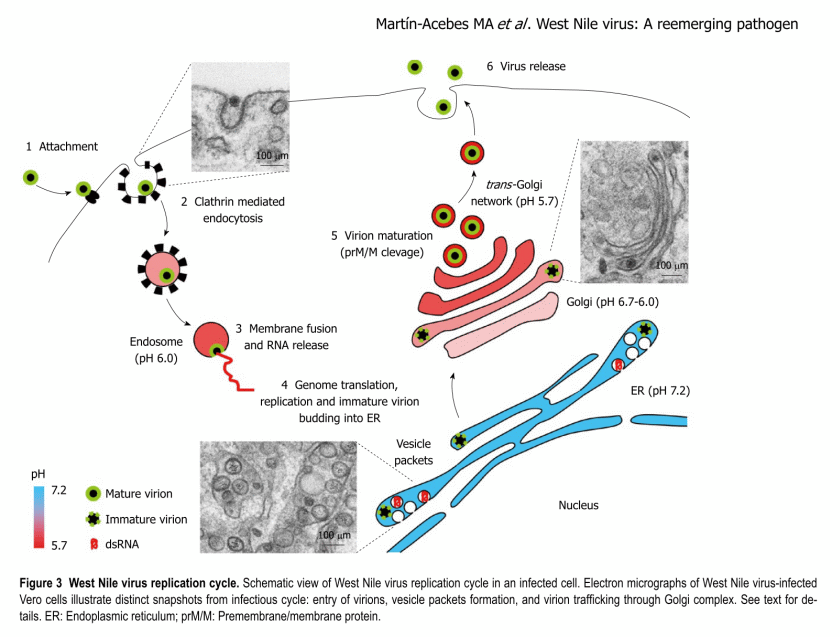
I add, that the above suggests a fairly similar viral attack process to the West Nile Virus (which is also an RNA virus), e.g.:
U/D, Mon Aug 16: I further add, a “DrBeen” — Dr Mobeen Syed — educational video, just found — this is the presenter summarised above:

https://www.youtube.com/watch?v=yjkPdwlhI8A

I note, this first answers a puzzle on the mode of action, shape-shift of ACE2: the shift is INTERNAL to the cell by hindering “glycation” of the final AA (thus prior to exposure to buffering of blood etc), altering the shape enough to hamper S-protein reception. This reduces fusion with bilipid layer and RNA injection.

Other direct mechanisms as noted, reduce intracellular acidity thus action of organelles. They highlight stalling of assembly of new viri in the Golgi bodies, with implication of blocking export of fresh viri, thus hampering the multiplication chain. The by now well known indirect activity is that as a lipophilic molecule, HCQ enters the cell bilipid layer membrane, acting as a Zn ionophore, i.e. it “shoots” Zn into the cell. Zn in turn hinders a key viral enzyme, RdRP.

Thus, we see a plausible picture of causal action, involving multiple, synergistic effects. This lends credibility to the use of HCQ-based cosctails in treating the early viral phases of CV19.>>

Unfortunately, WP for UD is not set up to embed BitChute videos.

An odd bit of support for this, is that HCQ/CQ have been used as fish tank cleaner for about 40 years. The complex animals (the fish) live, but the crud from several kingdoms, dies. That points to attack modes that hit core cell processes, such as we may summarise:
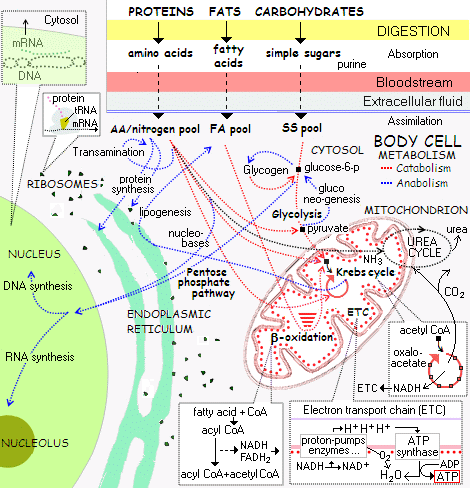
That seems to be what is now on the table, through the effects of pH shifting, as proposed. In short, we have reasonable mechanisms to go with the reports of doctors who are treating CV 19 in the early, viral phase, with vulnerable group patients:
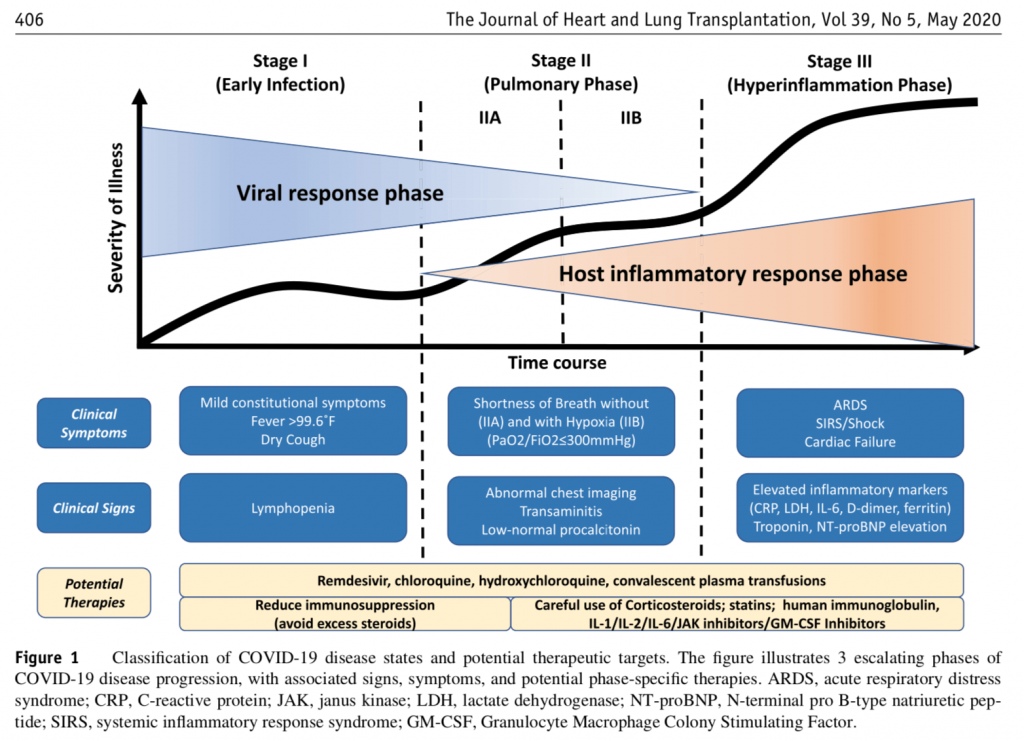
From this, we can freely say that it is going to be a challenge to refute the framework of issues and implicit model being presented in the open letter to Dr Fauci:

>>There is currently no recommended pharmacologic early outpatient treatment for individuals in the flu stage of the illness, correct?

It is true that COVID-19 is much more lethal than the flu for high-risk individuals such as older patients and those with significant comorbidities, correct?

Individuals with signs of early COVID-19 infection typically have a runny nose, fever, cough, shortness of breath, loss of smell, etc., and physicians send them home to rest, eat chicken soup etc., but offer no specific, targeted medications, correct?

These high-risk individuals are at high risk of death, on the order of 15% or higher, correct?

So just so we are clear—the current standard of care now is to send clinically stable symptomatic patients home, “with a wait and see” approach?

Are you aware that physicians are successfully using Hydroxychloroquine combined with Zinc and Azithromycin as a “cocktail” for early outpatient treatment of symptomatic, high-risk, individuals?

Have you heard of the “Zelenko Protocol,” for treating high-risk patients with COVID 19 as an outpatient?

Have you read Dr. Risch’s article in the American Journal of Epidemiology of the early outpatient treatment of COVID-19?

Are you aware that physicians using the medication combination or “cocktail” recommend use within the first 5 to 7 days of the onset of symptoms, before the illness impacts the lungs, or cytokine storm evolves?

Again, to be clear, your recommendation is no pharmacologic treatment as an outpatient for the flu—like symptoms in patients that are stable, regardless of their risk factors, correct?

Would you advocate for early pharmacologic outpatient treatment of symptomatic COVID-19 patients if you were confident that it was beneficial?

Are you aware that there are hundreds of physicians in the United States and thousands across the globe who have had dramatic success treating high-risk individuals as outpatients with this “cocktail?”

Are you aware that there are at least 10 studies demonstrating the efficacy of early outpatient treatment with the Hydroxychloroquine cocktail for high-risk patients — so this is beyond anecdotal, correct?

If one of your loved ones had diabetes or asthma, or any potentially complicating comorbidity, and tested positive for COVID-19, would you recommend “wait and see how they do” and go to the hospital if symptoms progress?

Even with multiple studies documenting remarkable outpatient efficacy and safety of the Hydroxychloroquine “cocktail,” you believe the risks of the medication combination outweigh the benefits?

Is it true that with regard to Hydroxychloroquine and treatment of COVID-19 infection, you have said repeatedly that “The Overwhelming Evidence of Properly Conducted Randomized Clinical Trials Indicate No Therapeutic Efficacy of Hydroxychloroquine (HCQ)?”

But NONE of the randomized controlled trials to which you refer were done in the first 5 to 7 days after the onset of symptoms- correct?

All of the randomized controlled trials to which you refer were done on hospitalized patients, correct?

Hospitalized patients are typically sicker that outpatients, correct?

None of the randomized controlled trials to which you refer used the full cocktail consisting of Hydroxychloroquine, Zinc, and Azithromycin, correct?

While the University of Minnesota study is referred to as disproving the cocktail, the meds were not given within the first 5 to 7 days of illness, the test group was not high risk (death rates were 3%), and no zinc was given, correct?

Again, for clarity, the trials upon which you base your opinion regarding the efficacy of Hydroxychloroquine, assessed neither the full cocktail (to include Zinc + Azithromycin or doxycycline) nor administered treatment within the first 5 to 7 days of symptoms, nor focused on the high-risk group, correct?

Therefore, you have no basis to conclude that the Hydroxychloroquine cocktail when used early in the outpatient setting, within the first 5 to 7 days of symptoms, in high risk patients, is not effective, correct?

It is thus false and misleading to say that the effective and safe use of Hydroxychloroquine, Zinc, and Azithromycin has been “debunked,” correct? How could it be “debunked” if there is not a single study that contradicts its use?

Should it not be an absolute priority for the NIH and CDC to look at ways to treat Americans with symptomatic COVID-19 infections early to prevent disease progression?

The SARS-CoV-2/COVID-19 virus is an RNA virus. It is well-established that Zinc interferes with RNA viral replication, correct?

Moreover, is it not true that hydroxychloroquine facilitates the entry of zinc into the cell, is a “ionophore,” correct?

Isn’t also it true that Azithromycin has established anti-viral properties?

Are you aware of the paper from Baylor by Dr. McCullough et. al. describing established mechanisms by which the components of the “HCQ cocktail” exert anti-viral effects?

So- the use of hydroxychloroquine, azithromycin (or doxycycline) and zinc, the “HCQ cocktail,” is based on science, correct?>>

Let us see how the “game” moves forward beyond this point. END

PS: As an extra, here is Dr Zelenko:

https://www.youtube.com/watch?v=3ywj-PZTt4g

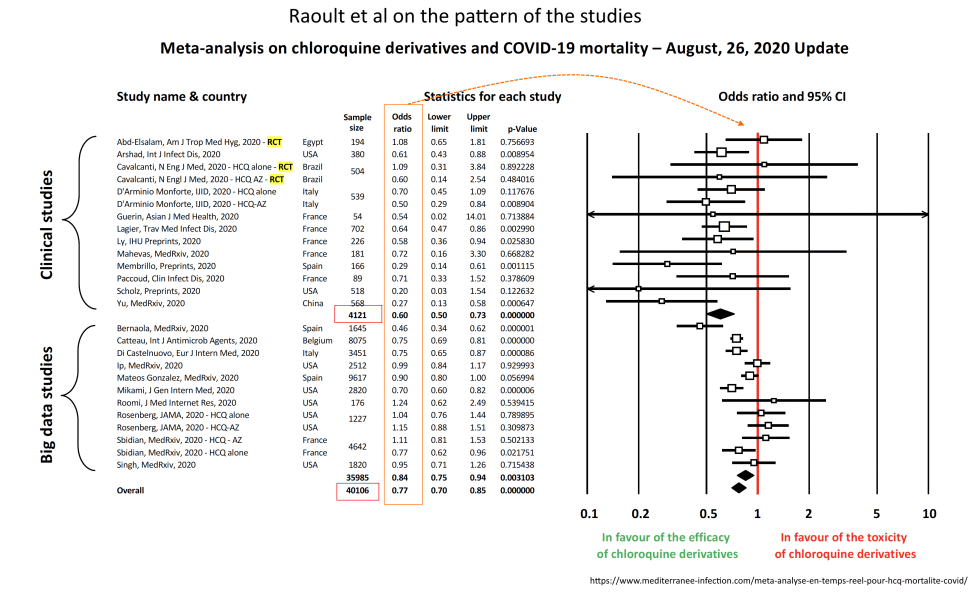
PPS: As a further extra, Aug 29, HT Jerry, Raoult et al on the pattern of cases and studies, involving 40,000+ cases:
Comments
RH7, again, the cases record, properly done will have in it reasonable profiles of business as usual treatments and alternatives credible enough to be widespread. The BAU -- palliative treatment then hospital and ventilators etc -- is a natural baseline with its typical outcomes, and the alts will have their own profiles. The algebra shows there is no need to construct an artificial zero treatment baseline -- in this case, comparable to jumping without a parachute -- ie, [ALT – 0TB] – [BAU – 0TB] = ALT – BAU. And, historically, we did have such a test with parachutes, the German vs the Allied design. Modern designs derive from the Allied, as it proved superior. From the very beginning, I used decision theory (something I am familiar with for day job reasons), which was studiously ignored, as was similar use by various sources I cited since months ago. Where, the observed BAU vs ALT contrast is very capable of feeding causal models and technical evolution, where plausible causal models -- studiously ignored -- are the substance of the OP; real world, these and near relatives would have been part of the cumulative case behind off label prescription, currently 20% of prescriptions for the US. That is, track record as accepted drug, in lab results, microbiology/biochem models, animal analogues . . . minks seem a good prospect onward . . . and more all contribute to getting to being an alternative that is seriously considered. That even includes in this case that for 40 years, fish have thrived and crud across entire kingdoms of life died in fish tanks treated with HCQ and near relatives, implying attack modes on core cellular life functions with dosage ranges such that complex life forms can be treated, fitting in with models on the table. We do not lack for ways to connect to plausible cause and testing causal models, that new rhetorical gambit on your part fails. Yet again. Therefore, for cause I infer you are not interested in causal models, just in making objections because you are locked into BAU. As for the ethical-epistemological limitations of placebo studies, those have been brushed aside too, pointing to a pearls before pigs failure. Unsurprising in a moment where huge, powerful institutions with ruinous agendas have been busily wrecking the greatest human inheritance in history, our civilisation. In short, all of this fits a terrible, civilisation-suicidal pattern. KFkairosfocus
August 26, 2020
August
08
Aug
26
26
2020
01:08 AM
1
01
08
AM
PDT
Someone is daft. I never said anything about Raoult. Dr. Zelenko has a $200,000 challenge, however.ET
August 25, 2020
August
08
Aug
25
25
2020
08:27 PM
8
08
27
PM
PDT
Observational studies can never identify causal relationships because even though two variables are related both might be caused by a third, unseen, variable. Since the underlying laws of nature are assumed to be causal laws, observational findings are generally regarded as less compelling than experimental findings. Observational studies can, however: Provide information on “real world” use and practice Detect signals about the benefits and risks of the use of practices in the general population ** Help formulate hypotheses to be tested in subsequent experiments ** Provide part of the community-level data needed to design more informative pragmatic clinical trials A major challenge in conducting observational studies is to draw inferences that are acceptably free from influences by overt biases, as well as to assess the influence of potential hidden biases. A confounding variable is an extraneous variable in a statistical model that correlates (positively or negatively) with both the dependent variable and the independent variable. A perceived relationship between an independent variable and a dependent variable that has been misestimated due to the failure to account for a confounding factor is termed a spurious relationship, and the presence of misestimation for this reason is termed omitted-variable bias. Confounding by indication has been described as the most important limitation of observational studies. Confounding by indication occurs when prognostic factors cause bias, such as biased estimates of treatment effects in medical trials. Controlling for known prognostic factors may reduce this problem, but it is always possible that a forgotten or unknown factor was not included or that factors interact complexly. **Randomized trials tend to reduce the effects of confounding by indication due to random assignment. Confounding variables may also be categorised according to their source: The choice of measurement instrument (operational confound) – This type of confound occurs when a measure designed to assess a particular construct inadvertently measures something else as well. Situational characteristics (procedural confound) – This type of confound occurs when the researcher mistakenly allows another variable to change along with the manipulated independent variable. Inter-individual differences (person confound) – This type of confound occurs when two or more groups of units are analyzed together (e.g., workers from different occupations) despite varying according to one or more other (observed or unobserved) characteristics (e.g., gender). https://courses.lumenlearning.com/boundless-statistics/chapter/observational-studies/rhampton7
August 25, 2020
August
08
Aug
25
25
2020
07:24 PM
7
07
24
PM
PDT
Observational studies have known flaws and because of that, are used to determine what treatments should undergo RCTs. That’s the way we did it before Covid-19, and the way we still do for all other current treatment options.rhampton7
August 25, 2020
August
08
Aug
25
25
2020
07:11 PM
7
07
11
PM
PDT
As an example, a study in New Jersey just posted today saw a reduction in hospitalization by administration of HCQ. But it was an observational study. Much easier than a RCT.
Hydroxychloroquine in the treatment of outpatients with mildly symptomatic COVID-19: A multi-center observational study Results: Among 1274 outpatients with documented SARS-CoV-2 infection 7.6% were prescribed hydroxychloroquine. In a 1067 patient propensity matched cohort, 21.6% with outpatient exposure to hydroxychloroquine were hospitalized, and 31.4% without exposure were hospitalized. In the primary multivariable logistic regression analysis with propensity matching there was an association between exposure to hydroxychloroquine and a decreased rate of hospitalization from COVID-19 (OR 0.53; 95% CI, 0.29, 0.95). Sensitivity analyses revealed similar associations. QTc prolongation events occurred in 2% of patients prescribed hydroxychloroquine with no reported arrhythmia events among those with data available. Conclusions: In this retrospective observational study of SARS-CoV-2 infected non-hospitalized patients hydroxychloroquine exposure was associated with a decreased rate of subsequent hospitalization. Additional exploration of hydroxychloroquine in this mildly symptomatic outpatient population is warranted.
https://www.medrxiv.org/content/10.1101/2020.08.20.20178772v1jerry
August 25, 2020
August
08
Aug
25
25
2020
06:46 PM
6
06
46
PM
PDT
ET we are missing the same data from Raoult but that hasn’t stopped you from jumping to conclusionsrhampton7
August 25, 2020
August
08
Aug
25
25
2020
06:43 PM
6
06
43
PM
PDT
But what about the long history of safe use, I can hear you reply. Well, the same can be said of blood plasma treatment and steroids like dexamethasone, and both are emergency use pending RCTs (which are ongoing!) Yet where is the outcry by you and the other HCQ promoters? Where are the endless posts of observational studies? Where is the pre-determined touting of success without RCTs. Very tellingrhampton7
August 25, 2020
August
08
Aug
25
25
2020
06:42 PM
6
06
42
PM
PDT
Again, RHampton7- we are MISSING the relevant data. What we do have sheds doubt on what they are testingET
August 25, 2020
August
08
Aug
25
25
2020
06:38 PM
6
06
38
PM
PDT
HCQ is no different than any other treatment save for one thing - the importance of RCTs. Of course they matter for all the other drug treatments, but HCQ? No, then a different standard is applied. Because Trump supported it? Because people want to believe there is a miracle? Don’t know, don’t care, but it is obvious hypocrisy.rhampton7
August 25, 2020
August
08
Aug
25
25
2020
06:32 PM
6
06
32
PM
PDT
Deep polarization about the validity of RCTs is not the fault of those who conducted the trials, but those who dismissed them out of hand. Care to guess who that would be?rhampton7
August 25, 2020
August
08
Aug
25
25
2020
06:28 PM
6
06
28
PM
PDT
One of the things that gets little publicity about testing early for a clinical trial is recruiting people. It’s easy to get hospitalized patients but not early high risk C19 infected outpatients. People just go to their regular doctor. Consequently it’s almost impossible to get them and then if you could identify them who in their right mind would volunteer to possibly die. And what kind of doctor would allow their patients to enter such a trial when there’s already of plenty of information that the treatment works. I wouldn’t want any such doctor to be my doctor.jerry
August 25, 2020
August
08
Aug
25
25
2020
06:27 PM
6
06
27
PM
PDT
The conclusion is clear, systems that look good on paper, emergency use provisions and more have failed in the face of reality. That has needlessly cost tens or more thousands their lives. Worse, it had led to deep polarisation that mere facts and logic will not resolve. Reforms will be needed but that will not come easily given depth of polarisation. Quite a fix. KFkairosfocus
August 25, 2020
August
08
Aug
25
25
2020
05:28 PM
5
05
28
PM
PDT
RH7, maybe it has not registered that this started c Oct 2019, so Dec or beginning Jan was two months in; Chinese deceit has been a key factor in the mess ever since. Granting that, It is clear that by imposing a too late regimen, studies using placebo methods you prefer have been fatally flawed. We can compound with, oh let's slice apart synergistic cocktails and oh we study groups not most vulnerable -- which you projected to try to dismiss Dr Raoult. Lo, behold, he has aptly responded. Your next move? Further projections and distractions. It's over RH7. KFkairosfocus
August 25, 2020
August
08
Aug
25
25
2020
04:57 PM
4
04
57
PM
PDT
ET So Dr Raoult’s patients had no zinc or vitamin deficiencies, yet all the patients in all the RCTs did. Perfectly reasonable explanation, especially when when you consider there is no evidence to support such a conspiracy theory.rhampton7
August 25, 2020
August
08
Aug
25
25
2020
04:46 PM
4
04
46
PM
PDT
"What do you have to lose?" This question was first asked rhetorically by President Trump during a press briefing in early April, but has since become the oft-repeated rallying cry for HCQ use in COVID-19 treatment. But for those who already thought HCQ was great (for example, the hundreds of thousands of people diagnosed with lupus in the U.S., many of which rely on HCQ, the only drug shown to prevent progression to serious end-organ damage), there is a lot to lose. The FDA reported HCQ shortages from 11 different manufactures from late March through the end of June. Beyond the struggle of those trying to fill routine prescriptions, there are far-reaching consequences of the HCQ political debacle when it comes to public trust for other COVID-19 related advancements — such as vaccines. If science seemingly changed its mind about HCQ, will the same scenario play out with vaccines? While science has proven itself to be self-correcting over time, many Americans have proven themselves to be impatient when facing the restrictions of a public health emergency. Even as science does everything in its power to quicken the pace of progress, political rhetoric and chronic misinformation continue to create more barriers than solutions, and nothing illustrates this better than the never-ending saga of HCQ. https://www.pharmamanufacturing.com/articles/2020/making-hydroxychloroquine-great-again/rhampton7
August 25, 2020
August
08
Aug
25
25
2020
04:43 PM
4
04
43
PM
PDT
Pfft- No one needs to prescribe the vitamins. The FACT remains that most fatalities occurred due to nutritional deficiencies. Also the use of HCQ alone was to prevent the virus and not once someone had it. The science behind HCQ and zinc is still very sound. But again, not for once the virus has gotten hold.ET
August 25, 2020
August
08
Aug
25
25
2020
04:37 PM
4
04
37
PM
PDT
KF and the rest - you have missed the point. In March when very little was known, HCQ was given emergency use authorization, pending more evidence. Since then, many RCTs were run and subsequently those data were used to adjust medical decisions throughout the world. But in this forum, those RCTs are immediately dismissed. Some reasons given: * zinc wasn’t prescribed * vitamins C &D weren’t prescribed * the “wrong” people were treated (younger than 60) Well if that’s true, then you also have to dismiss Dr Raoult’s observational studies for the very same reasons. He too did not use Zinc, Vitamins C and D , nor limit treatment to those 60 and older. So pick your poison - the RCTs are valid OR Dr Raoult’s studies were invalid. Consistency demands it.rhampton7
August 25, 2020
August
08
Aug
25
25
2020
04:34 PM
4
04
34
PM
PDT
Right, 6 months. Had they been pushing the OTC prophylaxis for that time the world's population would be better equipped to fight off the virus. Deaths would be way down. My guess is someone wanted a mass culling and they aren't getting what they wanted.ET
August 25, 2020
August
08
Aug
25
25
2020
04:07 PM
4
04
07
PM
PDT
RH7, you apparently missed the point. KFkairosfocus
August 25, 2020
August
08
Aug
25
25
2020
03:59 PM
3
03
59
PM
PDT
“Randomized clinical trials are not relevant for infectious disease outbreaks due to a new pathogen, for which public health decisions have to be made urgently.” True for the first month or two. But this has been more than 6 months, during which many RCTs have been accomplished. The triage phase has long since passedtrhampton7
August 25, 2020
August
08
Aug
25
25
2020
03:22 PM
3
03
22
PM
PDT
F/N: Going to a key link, no 2: https://www.scopus.com/record/display.uri?eid=2-s2.0-0034702175&origin=inward&txGid=73b8e681a7b6215b09b78364380f1b91 >> New England Journal of MedicineVolume 342, Issue 25, 22 June 2000, Pages 1887-1892 Randomized, controlled trials, observational studies, and the hierarchy of research designs(Article) Concato, J., Shah, N., Horwitz, R.I. . . . . Abstract Background: In the hierarchy of research designs, the results of randomized, controlled trials are considered to be evidence of the highest grade, whereas observational studies are viewed as having less validity because they reportedly overestimate treatment effects. We used published meta-analyses to identify randomized clinical trials and observational studies that examined the same clinical topics. We then compared the results of the original reports according to the type of research design. Methods: A search of the Medline data base for articles published in five major medical journals from 1991 to 1995 identified meta-analyses of randomized, controlled trials and meta-analyses of either cohort or case-control studies that assessed the same intervention. For each of five topics, summary estimates and 95 percent confidence intervals were calculated on the basis of data from the individual randomized, controlled trials and the individual observational studies. Results: For the five clinical topics and 99 reports evaluated, the average results of the observational studies were remarkably similar to those of the randomized, controlled trials. For example, analysis of 13 randomized, controlled trials of the effectiveness of bacille Calmette-Guerin vaccine in preventing active tuberculosis yielded a relative risk of 0.49 (95 percent confidence interval, 0.34 to 0.70) among vaccinated patients, as compared with an odds ratio of 0.50 (95 percent confidence interval, 0.39 to 0.65) from 10 case-control studies. In addition, the range of the point estimates for the effect of vaccination was wider for the randomized, controlled trials (0.20 to 1.56) than for the observational studies (0.17 to 0.84). Conclusions: The results of well-designed observational studies (with either a cohort or a case-control design) do not systematically overestimate the magnitude of the effects of treatment as compared with those in randomized, controlled trials on the same topic. (C) 2000, Massachusetts Medical Society.>> Let's see again, [ALT – 0TB] – [BAU – 0TB] = ALT – BAU KFkairosfocus
August 25, 2020
August
08
Aug
25
25
2020
02:52 PM
2
02
52
PM
PDT
Jerry, I observe his first detail point:
In a randomized controlled trial (RCT), participants are assigned to receive either the treatment under investigation or, as a control, a placebo or the current standard treatment. The randomization process ensures that the various groups are, as far as possible, identical in demographics, socio-economic status and other conditions, which minimizes the potential for bias and the influence of confounding factors. The usually high number of required participants depends on the magnitude of the expected effect, implying a long duration of inclusion period. [--> RHolt should duly note] RCTs are considered the reference standard of clinical research for testing new drugs for chronic disease [1]. Among their limitations, RCTs are long-lasting and expensive, and usually directed towards high-risk groups to increase the likelihood of capturing enough end points [1]. RCTs are typically interventions aimed at assessing the effectiveness of a new preventive or curative treatment, as opposed to observational studies conducted in patients under standard care treatments. Interestingly, based on careful review of meta-analyses of RCTs and cohort or case–control studies assessing the same intervention, the ‘average results’ from the latter did not systematically overestimate the magnitude of the associations between exposure and outcome compared with RCTs [2].
In short, [ALT – 0TB] – [BAU – 0TB] = ALT – BAU Then, we see:
In addition, RCTs are not relevant for urgent health matters such as infectious disease outbreaks due to a new or re-emerging pathogen, for which public health decisions have to be made urgently [1]. In such situations, decisions have to be taken on the basis of limited and often imperfect available data. In the current context of the coronavirus disease 2019 (COVID-19) pandemic, measures that have good rationale, but for which few data are available (e.g. travel restrictions, lockdowns and compassionate use of drugs [--> as in, off label, experimental use on cumulative evidence on balance of relative risks, with consent]) should also be considered as options and should be assessed and amended in a continuous manner [3]. Such an approach—almost empirical but pragmatic—is likely to be considered highly blasphemous by those believing that there is no salvation outside the RCT church, whatever the context.
As in, gold standard fallacy. Going on:
Expressing a view against the main stream, i.e. against the dogma of RCT supremacy, is at high risk of virulent reactions from some colleagues with a conservative view. Nevertheless, and fully aware of the heretic component of our position, we would like to suggest an alternative to RCT with the aim of challenging the efficacy of chloroquine derivatives and of their combination with azithromycin, which are currently used against severe acute respiratory syndrome coronavirus 2 infections by a majority of physicians, based on the results of preliminary studies [4,5] . . . . it may become possible to carefully compare a selection of outcomes in patients treated with chloroquine derivatives with the outcomes of matched patients receiving another treatment or standard care. Such an approach based on group comparisons, in silico, may provide valuable results in a reasonably short period of time for a negligible amount of money. Our group conducted such an analysis using aggregated data from published studies matched with our own observational data showing that individuals treated with a combination of hydroxychloroquine and azithromycin were three times less likely to die than matched patients treated with either lopinavir-ritonavir or standard care. Compared with patients included in a remdesivir study, we also showed a significant difference in the clinical outcome (proportion of cured individuals with negative viral load) in favour of hydroxychloroquine and azithromycin [11].
In short, de computah does help match statistrix. And RH7, there's your answer. The studies were big enough to match subsets more or less -- I suspect treatments were later in U/L -- and still showed the pattern, to be expected given its fairly obvious strength. KFkairosfocus
August 25, 2020
August
08
Aug
25
25
2020
02:44 PM
2
02
44
PM
PDT
Dr. Raoult on RCTs
Nullane salus extra ecclesiam Abstract Randomized clinical trials are not relevant for infectious disease outbreaks due to a new pathogen, for which public health decisions have to be made urgently. An approach based on group comparisons, in silico, may provide valuable results in a reasonably short period of time for a negligible amount of money.
Interesting title. Does Dr. Raoult expect the French medical community will believe it is about them. https://bit.ly/3lbQUiqjerry
August 25, 2020
August
08
Aug
25
25
2020
01:52 PM
1
01
52
PM
PDT
Jerry, you are obviously correct that the sensible thing to do is consistently the last resort. That speaks. I won't bother to take up more on the point that there is reasonable cause for emergency use authorisation, and that there is clear evidence that 70k have been tested which directly answers various rhetorical demands above. The paper you linked is manifestly on target:
There has been considerable focus on two major areas of response to the pandemic: 1) containment of the spread of infection, 2) reducing inpatient mortality. These efforts while well-justified, have not addressed the ambulatory patient with COVID-19 who is at risk for hospitalization and death. The current epidemiology of rising COVID-19 hospitalizations serves as a strong impetus for an attempt at treatment in the days or weeks before a hospitalization occurs
It continues, " it is conceivable that some if not a majority of hospitalizations could be avoided with a treat-at-home first approach with appropriate telemedicine monitoring and access to oxygen and therapeutics." I would stress the therapeutics, given what we have learned for months about effective protocols and given the force of the algebra: [ALT – 0TB] – [BAU – 0TB] = ALT – BAU . That seemingly simple expression underlines that we indeed have a BAU control, in the millions of cases with characteristic outcomes that can be credibly reduced in terms of deaths by perhaps 90%. But, when systems are institutionally entrenched, the last thing done is the manifestly best. That's why going forward we are going to have to admit systematic breakdowns in seemingly sound systems. KFkairosfocus
August 25, 2020
August
08
Aug
25
25
2020
09:41 AM
9
09
41
AM
PDT
From MedCram @103/ on plasma therapy It's not 35%. It's almost 50% reduction in deaths for treatment less than 3 days and with high antibody levels. The death rate went from 14.9% to 7.6% and was statistically significant. I suggest all who are interested watch the video. A pdf of the actual study is here. https://bit.ly/32rDcPM No RCTs are necessary to expand treatment since the control group is in the millions, those who have not received the treatment. But best if early treatment is used so they don't get to hospital where the plasma therapy is used.jerry
August 25, 2020
August
08
Aug
25
25
2020
09:21 AM
9
09
21
AM
PDT
Hot off the press.... FDA chief issues mea culpa for his plasma treatment claims some key quotes:
FDA Commissioner Stephen Hahn issued a mea culpa late Monday, conceding that he had overstated the benefits of convalescent plasma as a treatment of coronavirus at a press conference last weekend with President Donald Trump.
“I have been criticized for remarks I made Sunday night about the benefits of convalescent plasma. The criticism is entirely justified,” the commissioner said in a string of tweets. “What I should have said better is that the data show a relative risk reduction not an absolute risk reduction.” While the therapy is considered safe, plasma has not yet been proven effective against the coronavirus.
As I stated repeatedly and some have a problem coming to grips with the lack of data or demonstration of efficacy....but it is safe.......but don't know if it works even after 70,000 patients being administered it.
The authorization was based on anecdotal data from a 70,000-person program run by the Mayo Clinic. Hahn defended the use of that data to issue the emergency use authorization, arguing that FDA scientists made the decision to approve emergency use of the treatment “a few weeks ago” and that while questions may remain about its efficacy, “the safety profile is well defined.”
But as Hahn later conceded, that statistic distorts the findings from the Mayo program. Scientists found that patients given plasma early in their illness fared better than those who received it later. But the Mayo study lacked a control group that would have let them compare the outcomes of those who received plasma against those who did not — the only way to prove whether or not the treatment works.
Several leading scientists — including a Johns Hopkins University researcher leading randomized, controlled trials of plasma — have said they can’t figure out how the administation arrived at its 35-to-1 statistic, based on the data the Mayo team published this month.
It is obvious that the 35% figure is a fabrication ( as I previously pointed out and has been echoed by many frontline doctors using plasma to treat patients, e.g., Dr. Vin Gupta.. As Jerry's medcram video doctor points out there was no significant difference in any of the treatments and with no control group one has to wonder where did they come up with this figure? And just so we realize there could never be any political influence or pressure on the FDA to make a premature rollout announcement we have this:
But in announcing FDA’s granting of an emergency use authorization for the treatment on Sunday, the White House billed the decision as a “historic announcement.”
Nope no influence of politics on this decision....oh wait.....nevermind!RHolt
August 25, 2020
August
08
Aug
25
25
2020
08:41 AM
8
08
41
AM
PDT
We all know that the virus strikes the elderly extremely disproportiantely. Here is an article from a month ago that outlines the effect by state in elderly care facilities.
Nursing Homes & Assisted Living Facilities Account for 45% of COVID-19 Deaths
The 45% is low since the state (New York) with the most cases did not count most deaths from residents in nursing homes unless they took place in the actual facility. https://bit.ly/3lg79Lj These facilities were an almost perfect place for early care outpatient treatment and in nearly all cases they were not treated early. Could over half of the deaths been prevented. From above comment on excess deaths, the estimated life years lost to a C19 patient is about 4 years.jerry
August 25, 2020
August
08
Aug
25
25
2020
07:43 AM
7
07
43
AM
PDT
An extensive list of early outpatient treatments
Pathophysiological Basis and Rationale for Early Outpatient Treatment of SARS-CoV-2 (COVID-19) Infection Abstract Approximately 9 months of the SARS-CoV-2 virus spreading across the globe has led to widespread COVID-19 acute hospitalizations and death. The rapidity and highly communicable nature of the SARS-CoV-2 outbreak has hampered the design and execution of definitive randomized, controlled trials of therapy outside of the clinic or hospital. In the absence of clinical trial results, physicians must use what has been learned about the pathophysiology of SARS-CoV-2 infection in determining early outpatient treatment of the illness with the aim of preventing hospitalization or death. This paper outlines key pathophysiological principles that relate to the patient with early infection treated at home. Therapeutic approaches based on these principles include: 1) reduction of reinoculation, 2) combination antiviral therapy, 3) immunomodulation, 4) antiplatelet/antithrombotic therapy 5) administration of oxygen, monitoring, and telemedicine. Future randomized trials testing the principles and agents discussed in this paper will undoubtedly refine and clarify their individual roles, however we emphasize the immediate need for management guidance in the setting of widespread hospital resource consumption, morbidity, and mortality.
https://bit.ly/2QqlKWxjerry
August 25, 2020
August
08
Aug
25
25
2020
07:28 AM
7
07
28
AM
PDT
Kf, I admire your patience but it is pointless to answer their comments. It takes up too much valuable time. I have rarely seen them respond to any logic or evidence. Their response is to obfuscate or nitpick.jerry
August 25, 2020
August
08
Aug
25
25
2020
07:20 AM
7
07
20
AM
PDT
Jerry: >>they are not here to have a constructive conversation.>> 1: So, the irresponsibility needs to be exposed, as we have done over and over for months now. 2: And with the ethics-epistemology-inductive logic breakdowns we see, we can now stand on that demonstrated pattern in addressing other matters. Such as, why the resistance to the design inference? >> They are here to play games.>> 3: Thus, dirty rhetoric, which needs to be exposed. Where, fallacious and/or outright dishonesty in argument needs exposure. On which, credibility is self-destroyed if there is unwillingness to be corrected and to change to more prudent footing. 4: Which, in too many cases, we are seeing. >> Logic and reason have no effect.>> 5: Actually, if one shows that one is resistant to sound ethics, epistemology, inductive logic and reasoning more generally, due to indoctrination and ideology, that has a wide ranging, devastating effect. 6: As we are seeing. >>For example, all the negative commenters are essentially advocating doing nothing except palliative care which leads to a certain percentage dying.>> 7: Business as usual, which is known ineffective. And when presented with the logic behind considering a direct alternative, they duck. Recall, the algebra, with BAU, ALT and an artificial placebo based zero treatment base, 0TB: [ALT - 0TB] - [BAU - 0TB] = ALT - BAU. 8: Where, we can similarly compare alt1, alt 2 etc, to see which is best. The demand for gold standards that are ethically dubious, is groundless, despite the huffing and puffing on how superior it is. >>They have offered nothing else>> 9: With scarce exception, e.g. months after we talked about it, ivermectin was suggested. >> and denigrate all attempts to lower that percentage by the various forms of treatment proposed.>> 10: On demand for a gold standard you deride and dismiss what is possible in a very imperfect situation, in time to make a difference. Now, to have made a difference. >> They are essentially advocating to let them die.>> 11: hence, an ethical issue tied to the epistemological-logical one. The reaction to plasma antibody treatments after 70,000 test cases speaks, as does the attempt to nit pick a population of 3000 as though that is not adequate to show what was needed, rapid clearing of virus accompanied by avoidance of complications and death. >> All to win a rhetorical or political argument. >> 12: I think more is at work, defective education and institutionalisation of procedures that are cumbersome and flawed, with the promised in case of emergency locked up in polarised conflict in institutions and media. 13: the whole framework that was sold to us as oh so wonderful turns out to be decisively broken and unworkable in the real, deeply polarised world. KFkairosfocus
August 25, 2020
August
08
Aug
25
25
2020
06:01 AM
6
06
01
AM
PDT
1 5 6 7 8 9 13

Leave a Reply